Child and Youth Psychologist
Psychological therapy, Psychoeducational Assessments, ADHD and Autism assessments for children and adolescents in Red Hill, Clayfield, and via Telehealth (AEST).
Meet Your Team
Want to know a secret? Working with young people is so much fun! They are funny, dynamic and oh so observant. Most therapists have no idea how fun and rewarding it is to work with children and teens, but - shhhh - don't tell them. I want to work with them all mwha-ha-ha-ha.
I know how to listen when kids talk - not just through their words but through their actions, play, dreams and interactions. I find patterns in what they say and do, and help them make connections to themes running through their lives.
It's not usually the new teacher, the school formal, or the driving test that is the problem - these issues most often stem from a deeper message our young people have learnt about themselves in relationship with others.
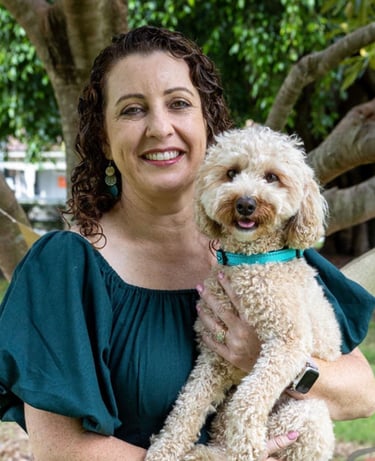
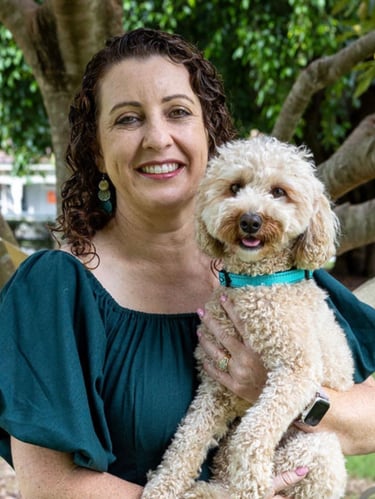
My therapy dog, Hugo, joins me in Red Hill on Mondays and is usually at my feet during telehealth sessions.
Linda Anderson
Clinical Psychology Registrar
How I work...
I most enjoy working through a relational psychodynamic approach. Say what? In brief, this means I explore the unconscious patterns that play out through the young person's relationships to transform attachment patterns. More often than not, this work involves building an understanding of the function of less helpful behaviours, which are often rooted in attachment. Once we name them, we can start to tame them.
I observe relationships through phone calls with parents, waiting room interactions and therapeutic interactions. I also look for patterns and themes present in play, dreams, and interactions with the therapy dog. In my ideal therapy, I also involve parents so the whole system can observe their patterns and work towards change.
I'm also really good at acronyms! I draw on elements of CBT, DBT and ACT to help kids and teens learn skills alongside figuring out what is happening for them. I sneak the learning in like a good veggie! I can guide kids through a series of skills sessions, but it's just not that fun for them or for me!
Services & Fees
Therapy
Assessment
Therapy is currently charged at $230 for a 50-minute session. This applies to sessions in the clinic and online. My fees will be increasing in January 2027.
A 10% surcharge applies to sessions beginning before 9am and after 5pm, and for home visits (plus travel costs).
I provide comprehensive, evidence-based assessments for children, adolescents, and adults seeking clarity, understanding, and practical direction. My approach is both thorough and compassionate.
ADHD ($1500)
I conduct ADHD assessments using the Young DIVA/DIVA as the basis for my clinical interviews. I integrate a range of other self-reports and parent/teacher reports to develop a comprehensive report which can be used to access accommodations.
Autism ($2200)
I provide Autism assessments using the MIGDAS-2 as the basis for my clinical interviews. I use a range of other self-reports and parent/teacher reports to understand your developmental history, and strengths and differences. I screen for ADHD as part of this assessment and suggest an ADHD assessment if this seems to be a part of the clinical picture ($300 extra, if required).
For fees and more information, please contact the clinic.
Expat Kids
My journey to becoming a mother started in the Persian Gulf. Expat kids have a tender place in my heart because I understand the joys and the challenges of this way of life.
If your expat teen is struggling to adjust to a new country, or if they are struggling to return "home", then this is the right place for them.
I see young people via telehealth. I live in AEST timezone, so please reach out if you can't see a suitable time on the booking platform. We can make a time that works for your kiddo.


Individual Kids
All kids are individuals! A part of growing through adolescence and into adulthood is the emergence of individual features and preferences.
As a mum of a ND kiddo and as a human who identifies with many ND traits (oh, yeah, better get onto that diagnosis... thanks for the distractions ADHD), I have a keen interest in working with neurodivergent kids. I have spent professional and personal time immersing myself in neurodiversity-affirming practices.
I am ND affirming because I:
see difference, not defect — neurodivergence is variation, not pathology (stupid DSM-5)
prioritise fit over fixing — adjust environments before changing people
support regulation — respect stimming, movement, and communication differences
reduce shame — allow for acceptance and social nonconformity
provide accommodations without judgment — access is not reward or manipulation.
I am also an ally. I respect all forms of gender and sexuality, and I encourage young people to explore where they fit along these continua. Gender and sexuality are not binary, and I do not force young people to conform to these constructs.
Locations
About Me
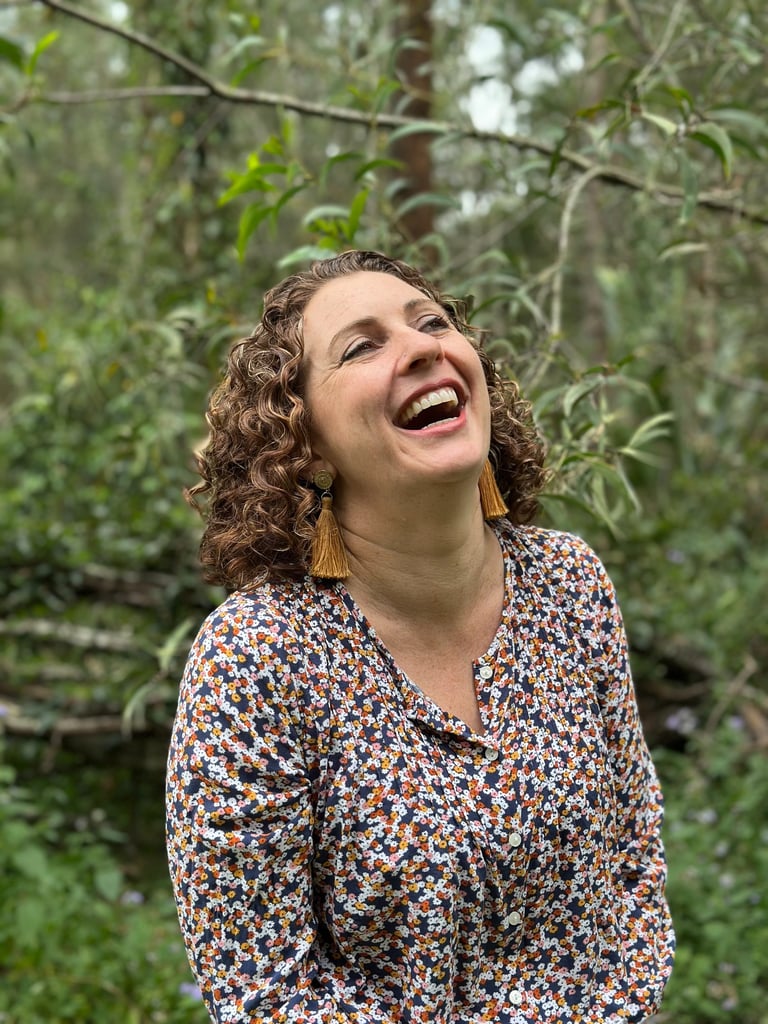
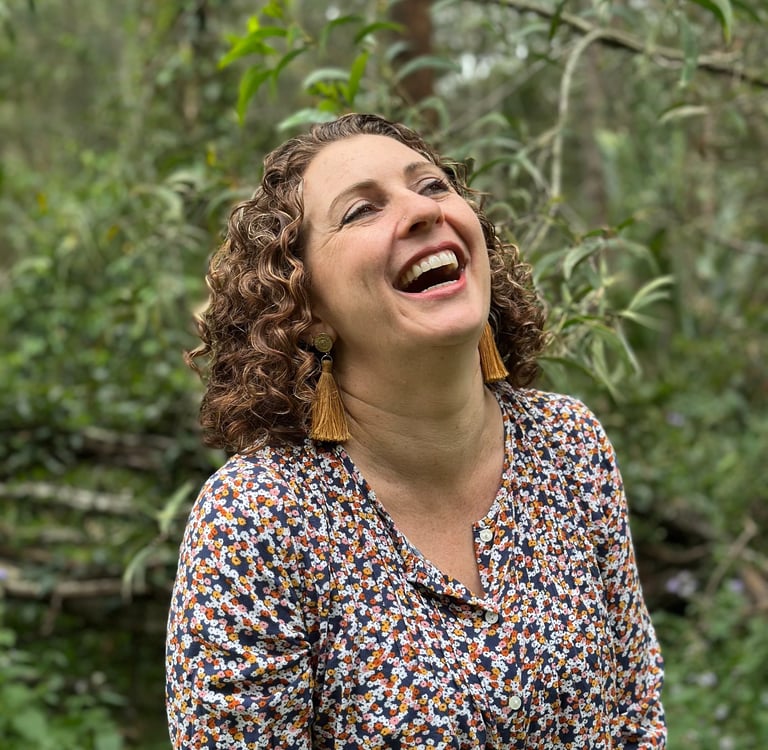
Hi! I'm Linda! My favourite animal is my therapy dog, Hugo, and my favourite food is cheesecake. I don't like cold weather or tight shoes. A fun fact about me is that I have travelled to over 70 countries!
I am a registered psychologist working toward clinical registration. In a former life, I was a high school teacher, and I most recently worked with adolescents experiencing chronic and severe mental health conditions through Child and Youth Mental Health Services.
I also enjoy working with parents and families. Parenting is the toughest job, but I have found it to be the most rewarding (when I have had sleep and my kids have gone a few hours without bickering). I have lived experience of parenting a neurodivergent child, and I identify with a range of neurodivergent traits.
Looking forward to meeting you and your kiddos!
Frequently Asked Questions
What therapies do you offer?
I use a relational psychodynamic approach, which is focused on attachments and unconscious patterns. I'm really into attachment, so I look closely at the young person's relationships to figure out dynamics at play.
I can also draw on elements of CBT, DBT and ACT to help kids and teens learn skills alongside transforming their relational patterns.
Will you work with my young person who engages in self harm and/or has suicidal ideations?
My general answer to this is 'yes' providing the young person does not rely on the therapy for crisis management. I only work set hours and can't provide a crisis service.
I work with a number of young people who have been discharged from a CYMHS service and who have experienced severe and complex mental health challenges. In these cases, I would often collaborate with other members of your child's care team to provide the best service.
Which assessments are available?
Assessments for Autism and ADHD are offered in-clinic and via telehealth. I use the DIVA-5 for assessing ADHD and the MIGDAS-2 for assessing Autism.
Who can benefit from therapy?
What a question to ask a psychologist! Everyone can benefit from therapy, of course. If I had to narrow things down, though, I would say that young people facing adjustment issues, emotional swings, relationship challenges and/or those who are engaging in less helpful behaviours can benefit from therapy.
How can I schedule an appointment?
You can schedule an appointment by booking online via Halaxy, emailing me, or giving me a call.
Do you provide telehealth services?
Yes, I can provide therapy via telehealth to young people over the age of 12. Below this, I often like to engage in play therapy, which is a little more challenging online.
Do you provide crisis services in an emergency?
No. If your kiddo is in a crisis, if they have suicidal intent or self-harm wounds that require medical attention, please contact 000 or emergency services in your location.
You can contact the Acute Response Team at QCH 24/7 on 07 3068 2555 if you are in Brisbane, or you can report to your local hospital.
You can also contact:
1300 22 46 36 (Youth Beyond Blue)
1800 55 1800 (Kids Helpline)
13 11 14 (Lifeline)
I've never met a young person who needed fixing. I can help to transform relational dynamics and attachment, so it can take a while!
I can work with you to develop a more short-term (10 session) treatment plan incorporating CBT, DBT and ACT for skill development if that is the priority.
How long will it take you to fix my kid?
How do you get parents involved?
In an ideal world, parents would be an integral part of therapy. The focus of the therapy is the relational patterns of your young person - and your relationship with them is one of the most important!
We will negotiate your involvement at the beginning of treatment, but this may also change over time. It is important that your young person has a safe place to learn about themselves, but it's also important that the system around them changes as they change.
You can rest assured that if highly risky content comes up in session, I will encourage your young person to share this with you. If they are not willing to let you in on the therapy and I am worried about their safety, I will let you know.
Contact
info@LindaAndersonPsychology.com
0493 083 314
© 2026. All rights reserved. Brisbane Child and Youth Psychology.